
Building physical intelligence for
endovascular surgery.
How it works.
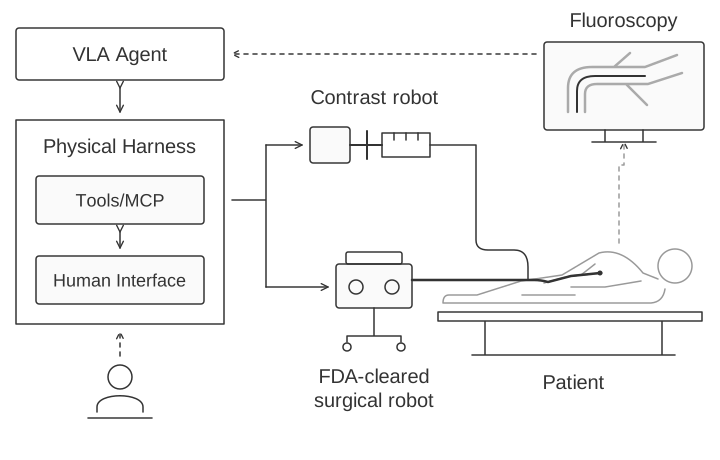
Our physical harness enables frontier vision-language-action (VLA) models—including π0.7 and GPT-6 Astra—to operate FDA-cleared surgical robots and associated peripherals. It provides a secure, low-latency interface for agentic surgery while accommodating human intervention and oversight.
How it performs.
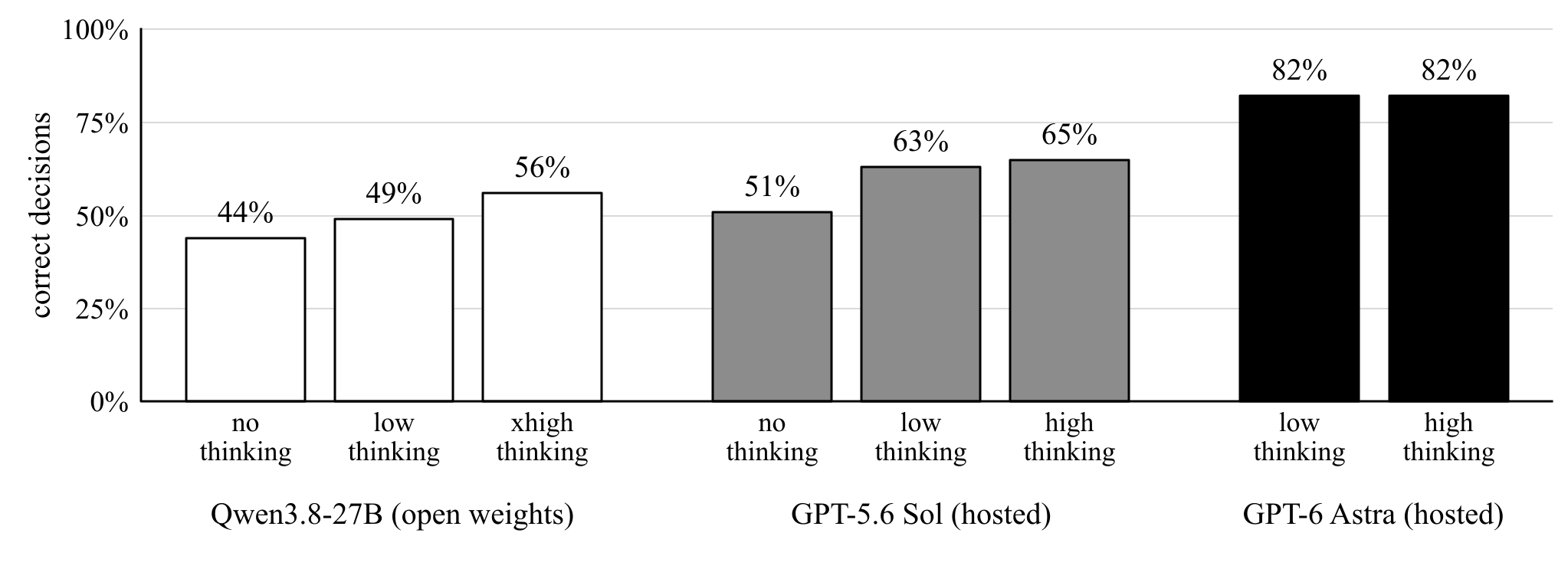
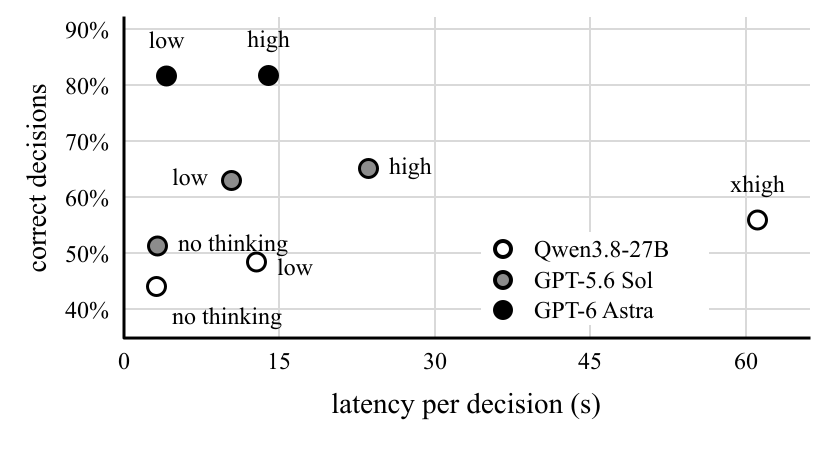
We benchmarked Qwen3.8-27B, GPT-5.6 Sol, and GPT-6 Astra against the actions of trained residents across 512 endovascular procedures at the Corewell Health Cath Lab. GPT-6 Astra matched resident actions in 82% of decisions at both low and high thinking levels, taking approximately 5 and 15 seconds per decision, respectively.
What's next?
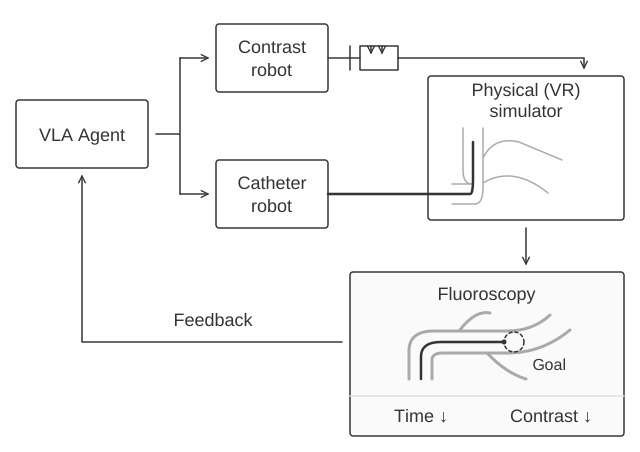
We are building a reinforcement learning environment to further train surgical VLA agents on the same physical (VR) simulator used to train surgeons. Agents will learn to advance a catheter and autonomously request contrast from a separate robot that pushes a syringe. Agents will use fluoroscopy to detect when the catheter reaches its target and learn to minimize procedure time and contrast use.
Who we are.
Principal Investigators
-

Rachee Singh
Assistant Professor, Cornell University
Rachee is an Assistant Professor of Computer Science at Cornell University, where she leads the SysPhotonics group on systems and algorithms for efficient communication for machine learning and cloud applications.
Website -

Emaad Manzoor
Assistant Professor, Cornell University
Emaad is an Assistant Professor at the Cornell Johnson Graduate School of Management and a graduate field member of Computer Science at Cornell, where he leads the Data Analytics Group on human-centered algorithm design.
Website -
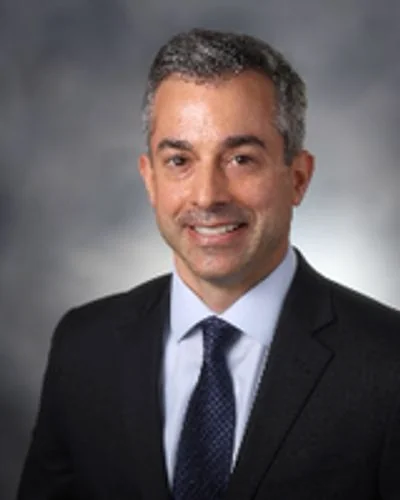
Dr. Ryan D. Madder
Interventional Cardiologist, Corewell Health, MI
Ryan is a board-certified interventional cardiologist and a fellow of the American College of Cardiology. He serves as the Program Director of the Interventional Cardiology Fellowship at Corewell Health, MI. During 14 years of practice at Corewell Health, he spent nine years as section chief of interventional cardiology and medical director of the cardiac catheterization laboratory. His research covers robotic coronary intervention, telestenting, and intracoronary imaging.
Website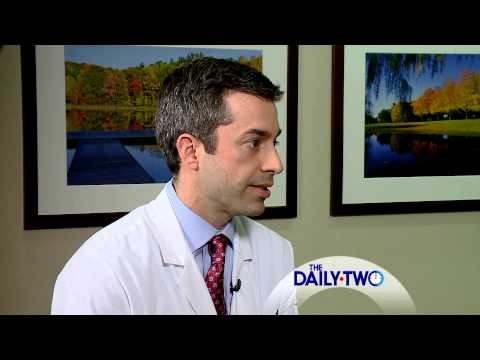
Robotics in the cardiac cath lab (YouTube)